MICA

MICA Main Partner · Saskatchewan

Saskatchewan Polytechnic

Where Ideas Meet Reality

Saskatchewan Polytechnic's award-winning applied research delivers practical solutions to everyday problems—from agriculture to artificial intelligence, from biotechnology to biomechanics. With 150+ programs and the most advanced equipment in the province, Sask Polytech connects MICA's mining innovation network to the Saskatchewan region.

Saskatchewan Polytechnic

Programs

150+

Campuses

4

Applied Research Centres

4

MICA Region

Saskatchewan

About Saskatchewan Polytechnic

Saskatchewan Polytechnic has four applied research centres with expertise in data and digital integration, conventional and additive manufacturing, bioplastics, natural resource conservation, nursing and health sciences. Learning takes place at campuses in Moose Jaw, Prince Albert, Regina and Saskatoon, and through extensive distance education opportunities.

Programs serve every economic and public service sector. As a polytechnic, the organization provides the depth of learning appropriate to employer and student need, including certificate, diploma and degree programs, and apprenticeship training. Saskatchewan Polytechnic engages in applied research, drawing on faculty expertise to support innovation by employers, and providing students the opportunity to develop critical thinking skills.

As a member of the Prairie Polytechnic Innovation Network (P2INACLE), Sask Polytech also unites leading polytechnic institutions on the Canadian prairies to offer comprehensive support in clean technologies, digital technologies, and natural resources.

Role Within MICA

As a Main Partner of the Mining Innovation Commercialization Accelerator (MICA), Saskatchewan Polytechnic serves as the Saskatchewan regional hub—connecting mining innovation with practical applied research infrastructure and deep industry expertise.

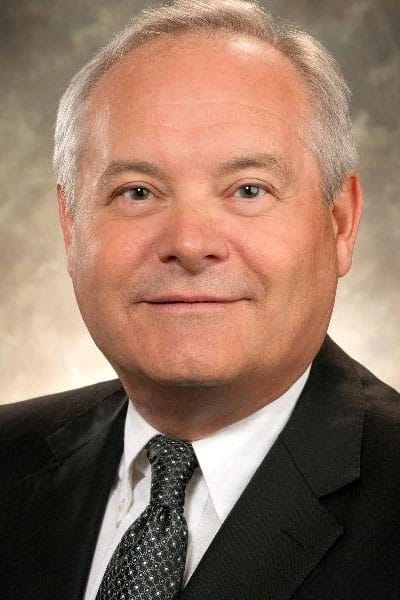
Paul Labbe, Sask Polytech's MICA Regional Program Lead, brings over 45 years of global management experience in EPCM, research, mining, and manufacturing—making Saskatchewan a powerhouse region for mining industry transformation.

  • Digital integration and data analytics for mining operations
  • Advanced manufacturing and prototyping for mining technology
  • Connecting SMEs to applied research expertise and facilities
  • Supporting digital transformation of Saskatchewan's mining sector

Applied Research Centres

Four specialized centres delivering practical solutions to industry, with expertise that directly supports mining innovation.

💻

Digital Integration Centre of Excellence (DICE)

The DICE Technical Access Centre (TAC) focuses on data acquisition and knowledge generation in the mining and agricultural sectors—directly supporting MICA's mission to digitize and modernize the mining industry.

⚙️

Innovative Manufacturing Centre (IMC)

IMC's capacity and expertise include rotational and injection molding, bioplastics, and rapid prototyping in over twenty-five materials including metal—enabling physical prototyping for mining innovators.

🌲

Natural Resource Technology

Researchers work from Prince Albert and the Hannin Creek Education and Applied Research Centre in northern Saskatchewan, focusing on boreal forest and natural resource conservation.

🏥

Centre for Health Research (CHRIS)

Supports researchers in Health Sciences and Nursing, with expertise in interprofessional care, rural health, and vulnerable populations—contributing to worker wellness in mining communities.

Your MICA Regional Lead

Paul Labbe

Paul Labbe

Saskatchewan Polytechnic / SK Lead

Paul brings over 45 years of global management experience in EPCM, research, mining, and manufacturing, spanning North America, Central Asia, Europe, South America, and Africa. Transitioning to research and education after a distinguished career in mine, energy, and manufacturing leadership, he excelled in roles involving mega-projects, energy, chemicals, manufacturing, and leadership.

Paul has held senior positions at major global companies like WorleyParsons and Vecima, and notably led up to 1200 percent growth cycles within five years. He initiated his career in the Canadian nickel industry and subsequently ventured into potash operations, where he spent two decades, before expanding into EPCM projects globally.

Holding formal training in mechanical engineering technology and general business, Paul specializes in corporate management, project management, engineering, process systems, automation, and digital transformation. He has earned numerous awards, recognitions, and patents throughout his career.